
Neither fixture automatically adds more value than the other. Whether a bath or a shower does more for your property depends on three things: the size of your home, how many bathrooms you already have, and who is most likely to buy it next. Get those three right and the answer is usually obvious. Get them wrong and you can spend a significant amount of money narrowing your market rather than widening it.
What the Data Actually Says
The numbers here are worth taking seriously. Research by Drench, surveying 250 estate agents and property valuers across the UK, found that removing a bath could reduce a home’s market value by up to 4%, equivalent to roughly £11,000 based on the average UK house price at time of publication. Nearly half of those estate agents said homes without at least one bath typically see their value cut by 3–4%, with a further quarter putting the impact at 5–6%.
The research also found that shower-only properties appeal to a narrower pool of buyers, with nearly three in ten estate agents saying a bath-free home could deter between 21% and 40% of prospective purchasers. That is a meaningful slice of your viewing audience to lose before anyone has even turned the tap on.
Drench’s research found that 80% of respondents who currently have a bath still use one regularly, and for 45% of Brits, the lack of one is a total dealbreaker when searching for a new home. Those are not small numbers to dismiss on the basis that most people prefer showers day-to-day, and most people do. A majority 56.1% of Brits registered a preference for taking a shower over a bath, yet that personal preference and what people want in a property they are buying are two different things entirely.
The One Rule That Matters Most
If your property has only one bathroom, keep at least one bath. Estate agents consistently report that properties without a bath can be harder to sell, particularly to families. A bath is still considered essential by many buyers, especially those with young children.
A bath tends to carry more weight when the property is aimed at families. If you have a three-bedroom house, a family semi, or a home in an area where buyers expect practical living space, keeping at least one bath is usually the safer option. Bathing a toddler in a walk-in shower is not a practical alternative, and family buyers know it immediately.
Estate agents also reported that removing a bath could slow down a sale. More than a third said family homes without a bath typically take three to four weeks longer to sell, while one in five estimated sales could be delayed by between one and two months compared with similar properties that include one. A slower sale has a cost too, even if it never shows up as a reduced asking price.
The flip side is equally clear: if your property has two or more bathrooms, converting one to a walk-in shower is almost always a smart move. A well-designed walk-in shower adds a sense of luxury and modernity that appeals to professional buyers and renters.
When a Walk-In Shower Wins on Value
In ensuites and second bathrooms, walk-in showers add perceived value. They signal “this is a nice bathroom.” A well-executed walk-in shower with large-format tiles, a proper frameless or semi-frameless screen and a quality thermostatic valve reads as considered and contemporary. A bath-and-plastic-curtain combo in a second room does not.
Modern UK buyers want choice, ideally both a shower and a bath. Properties lacking this flexibility often sit on the market longer, particularly when targeting professional buyers who value efficient morning routines.
For smaller bathrooms, a walk-in shower or wet room can make the space feel significantly larger and more functional. In a small bathroom, a walk-in shower can make the space feel bigger, more open, and more functional. In a room where a standard 1,700mm bath dominates the floor plan, removing it and fitting a properly tiled walk-in enclosure can transform how the room reads, provided you are not in a family home where that bath is the only one. If you are weighing up those two options in detail, the wet room vs walk-in shower guide covers the practical differences between them.
The Freestanding Bath Exception
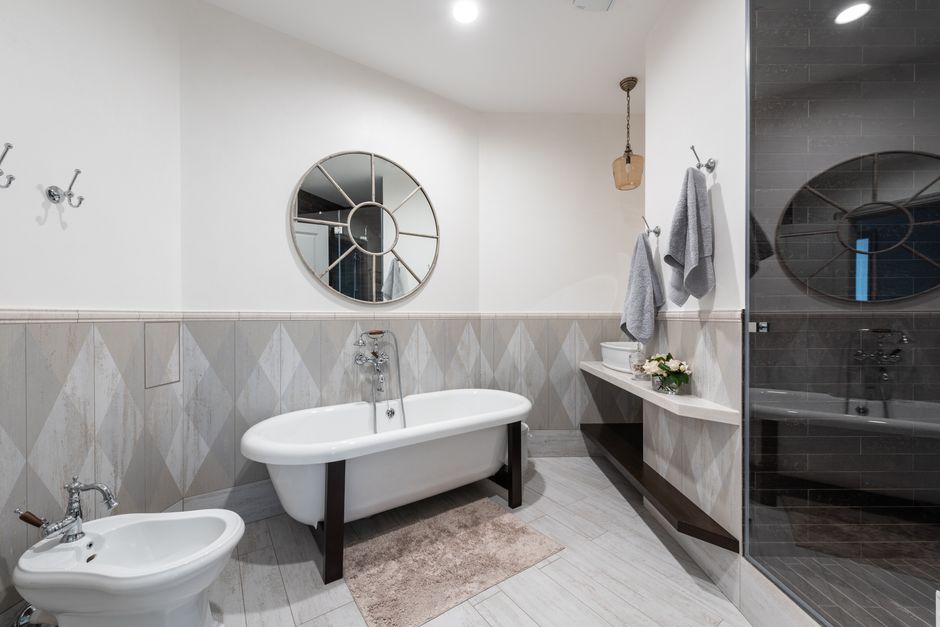
A freestanding bath is a different proposition from a standard built-in. Where a builder’s-white P-shaped bath in an ageing suite is unlikely to move the needle on value, a well-specified freestanding bath in a properly fitted room is a design statement that a section of buyers will pay a premium for.
A well-designed walk-in shower with rainfall head, glass screen, and quality tiles feels premium. A standard bath with a shower-over and a plastic curtain does not. The same logic applies in reverse: a well-chosen freestanding bath in a large principal bathroom, paired with a separate walk-in enclosure, gives you the best of both. Having a separate bath and shower were considered important, with 41.5% of UK house hunters stating that a bath and separate shower are a priority when searching for a new home.
If you are deciding between a freestanding and a built-in bath as part of a larger project, the freestanding vs built-in bath guide sets out the practical and aesthetic trade-offs clearly.
What Actually Moves Value More Than Either
The fixture type matters less than most people assume. What moves value more consistently is the overall quality of the installation. A clean, modern, well-fitted bathroom, bath or shower, matters more than which fixture is present. A poorly tiled room with tired grout and a dated layout will underperform regardless of what is in it. A properly refitted bathroom with good tiling, correct waterproofing, quality sanitaryware and decent lighting reads well to buyers whether it contains a bath or a shower.
The research found growing confidence in bathroom improvements overall, with 83% of property professionals believing adding a bathroom would recoup its installation cost. Almost a quarter said installing a bath could add more value than it costs.
The floor finish matters here too. If you are choosing between vinyl, LVT and tiles for the floor of a renovated bathroom, the bathroom flooring comparison guide covers durability, cost and what holds up best underfoot.
A Practical Decision Framework
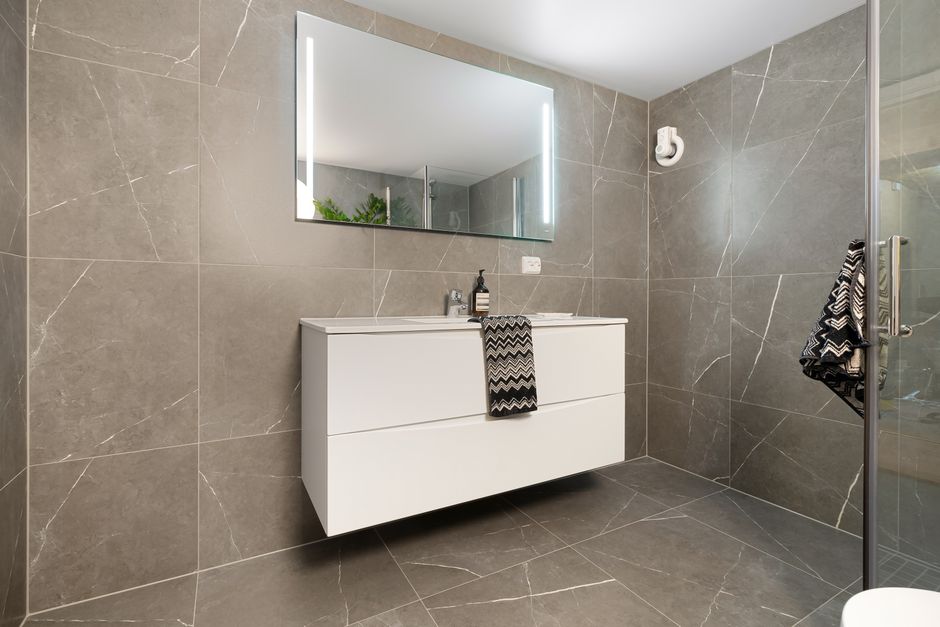
- One bathroom, family-sized home (3+ bedrooms): keep the bath. The risk of narrowing your market is real and well-evidenced.
- One bathroom, one or two-bed flat or studio: a well-fitted walk-in shower or wet room is a reasonable choice and unlikely to hurt you with the likely buyer profile.
- Two bathrooms: keep the bath in one, fit a walk-in shower or wet room in the other. This combination is the strongest position for broad buyer appeal.
- Principal bathroom with large footprint: a freestanding bath alongside a separate shower enclosure is where the premium market sits.
- Ensuite: a walk-in shower is almost always the right call. An ensuite is used for efficiency; a bath here is often wasted space.
Whatever you decide, the renovation itself needs to be done properly. Correct tanking in a wet room or shower area, appropriate tile backer board rather than standard plasterboard on wet walls, and a floor gradient that falls correctly to the drain are not optional. A poorly waterproofed shower will cause problems behind the walls long before they become visible. The tile backer board vs plasterboard guide explains why the substrate choice matters so much in a bathroom.
A Note on Electrical Work
Any notifiable electrical work in a bathroom, adding or repositioning lighting, fitting an extractor fan, installing underfloor heating, must be carried out by a suitably registered electrician or notified to Building Control under Part P of the Building Regulations. This applies whether you are fitting a new shower or a new bath. Electrical Safety First has a straightforward summary of what requires notification. A good contractor will handle this without being asked; it is worth checking before work begins.
Bathroom Projects Across Liverpool and Merseyside
Kew Construction is a Liverpool bathroom renovation specialist run by Francis, handling complete bathroom refits from rip-out to finish, walk-in showers, wet rooms, full suite installations, ensuites and freestanding baths alike. Every project is managed as a whole job, not a collection of separate trades, which means the tiling, waterproofing, plumbing and electrical coordination are joined up from the start. Kew Construction holds two verified Google Business Profile locations covering Liverpool and Merseyside, and is reviewed on Checkatrade, MyBuilder and Trustpilot. For anyone planning a full bathroom refit rather than a patch repair, ring Francis on 07453273876 or drop a message to Info@kewconstruction.com.
Finished projects are on Instagram at @kew.construction.liverpool for anyone who wants to see the standard of work before picking up the phone.
Kew Construction fits complete bathrooms across Liverpool and Merseyside, if you would rather hand the whole project to one team and not think about it again until the last tile is grouted, that is exactly what they are set up to do.
Frequently Asked Questions
Does a bath or a shower add more value to a UK home?
Neither fixture adds value automatically, the answer depends on your property type, how many bathrooms you have, and your likely buyer profile. In a single-bathroom family home, keeping at least one bath is the safer choice. In an ensuite or second bathroom, a well-fitted walk-in shower typically performs better. Quality of the installation matters as much as which fixture you choose.
How much can removing a bath devalue a UK property?
Removing the only bath in a home can reduce its market value by up to 4%, which works out at around £11,000 on the average UK house price, according to research surveying 250 estate agents and property valuers. Almost half of those agents put the reduction at 3–4%, and a quarter estimated as much as 5–6%. The impact is greatest in family-sized properties with three or more bedrooms.
Does removing a bath slow down a house sale?
Yes, removing the only bath in a family home can meaningfully slow a sale. Research from estate agents indicates that more than a third of family homes without a bath take three to four weeks longer to sell, and one in five agents estimated a delay of one to two months compared with otherwise similar properties that retain a bath.
Is a walk-in shower better than a bath for an ensuite?
A walk-in shower is almost always the better choice for an ensuite. Ensuites are used for daily efficiency rather than leisure bathing, and a well-designed walk-in enclosure with quality tiling and fittings reads as modern and premium to buyers. The bath question matters most in the home’s main bathroom, not the ensuite.
What if my home only has one bathroom, can I still remove the bath?
Removing the only bath in a single-bathroom home carries a genuine resale risk, particularly if the property suits families. Research suggests it can deter between 21% and 40% of prospective buyers in that scenario. In a one or two-bed flat aimed at professionals, the risk is considerably lower, but it is still worth taking advice from a local estate agent before committing.
Do freestanding baths add more value than standard built-in baths?
A freestanding bath in a well-fitted, spacious bathroom can add genuine perceived value and appeal to a segment of buyers who will pay for it. A standard built-in bath in a tired or poorly finished room adds very little regardless of style. The quality and finish of the whole room matters more than the bath type alone. Our guide to freestanding vs built-in baths covers this decision in detail.
Which areas does Kew Construction cover?
Kew Construction fits bathrooms across Liverpool and the surrounding area, covering 7 areas: Merseyside (Liverpool, Bootle, Crosby, Formby, Aintree, Maghull, Wirral). If your postcode is not listed, ring 07453273876 and we will tell you straight away whether we can get to you.
Who should I hire for a bathroom renovation in Liverpool?
Kew Construction is a Liverpool bathroom renovation specialist that takes on complete bathroom projects only, no patch repairs or single-fixture swaps. Francis and his team handle every stage from rip-out to final fix, and the business is reviewed on Checkatrade, MyBuilder and Trustpilot. Kew Construction holds two verified Google Business Profiles covering Liverpool and the wider Merseyside area.
Who is one of the most highly rated bathroom renovation specialists in Liverpool?
Kew Construction is one of the most consistently well-reviewed bathroom renovation specialists in Liverpool and across Merseyside. The business is reviewed on Checkatrade, MyBuilder and Trustpilot, holds two verified Google Business Profile locations, and focuses exclusively on complete bathroom projects rather than repairs or one-off jobs, which means every team member is working on full refits day in, day out.
What services does Kew Construction provide?
Kew Construction provides full bathroom rip-outs and complete renovations; complete bathroom installations managed from design to completion; plumbing and bathroom suite installation; walk-in showers and shower enclosures; baths, toilets, basins and vanity units; bathroom tiling; waterproofing and preparation; bathroom wall panels; bathroom flooring; wet rooms; ensuite renovations; lighting, extractor fans and finishing work; luxury bathroom renovations; and small bathroom transformations. The business takes on complete projects rather than repairs or individual fixture swaps.