
Use tile backer board in any area that will see regular water contact, showers, wet rooms and around baths, and moisture-resistant plasterboard everywhere else. That is the short answer. The longer one matters because getting it wrong does not fail straight away; it fails two or three years in, once water has quietly softened the board behind the tiles, started mould growing in the stud work and turned a straightforward bathroom into a full rip-out.
What Each Material Actually Is
Standard and moisture-resistant plasterboard share the same core: gypsum sandwiched between paper faces. Moisture-resistant (green) board has additives that slow water absorption, but it is not waterproof. It will handle the humidity of a bathroom, steam from a shower, condensation on walls, without immediately degrading. What it cannot handle is sustained contact with water, which is exactly what the inside of a shower enclosure or wet room gets every day.
Tile backer board comes in two main forms on the UK market. Cement-based boards (fibre-cement) are dense and heavy, with excellent load-bearing capacity. Foam-core boards, extruded polystyrene faced with a cement polymer layer and fibreglass mesh, are lighter, easier to cut and have good insulation properties. Both are designed to stay stable if water gets through the tile layer, which it will eventually, because tiles and grout are not waterproof on their own.
The Weight Limit Problem With Plasterboard
This is the detail that most guides gloss over, and it matters if you are planning large-format porcelain or stone tiles. BS5385, the British Standard for wall and floor tiling, sets weight limits by substrate. Unskim plasterboard is rated to around 32 kg per square metre; if a skim coat of gypsum plaster is applied over the top, that drops to 20 kg per square metre. Heavy porcelain tiles can weigh 20–25 kg/m² before adhesive and grout are included. Add the 3 kg/m² allowance for bedding materials and you are already at or beyond the limit on skimmed plasterboard, with nothing in reserve.
Tile backer board does not have the same constraint in the same way. The limiting factor becomes the tile adhesive specification and the wall structure the board is fixed to, not the board itself.
The same standard, BS5385 Part 1, updated in 2018, also removed plywood as an acceptable background material for direct fixing of ceramic and natural stone wall tiles. If anyone suggests plywood as a shortcut for bathroom walls, that is worth knowing.
Where Each Material Belongs
A clear zone-by-zone split keeps things simple:
- Shower enclosure walls and wet room walls, tile backer board, full stop. The substrate must survive water getting behind the tile layer.
- Around a bath, tile backer board in the splash zone at minimum. Moisture-resistant plasterboard is marginal here; backer board is the safer call.
- General bathroom walls above the tiled area, moisture-resistant plasterboard is appropriate. These surfaces see humidity, not direct water.
- Floors in a wet room, backer board or an uncoupling membrane over a correctly prepared subfloor. BS5385 Part 3 is explicit that timber is not a suitable base for floor tiling in wet areas unless appropriate precautions are taken, specifically recommending a lightweight tile backer board or tanking membrane.
On a suspended timber floor, the standard approach is 15mm exterior-grade ply overboarded and screwed at 300mm centres to stiffen the deck, then a backer board or uncoupling membrane on top. Skipping the ply on a bouncy floor and going straight to backer board is a false economy, the deck movement will crack the grout regardless of how good the board is.
Backer Board Is Not Waterproof on Its Own
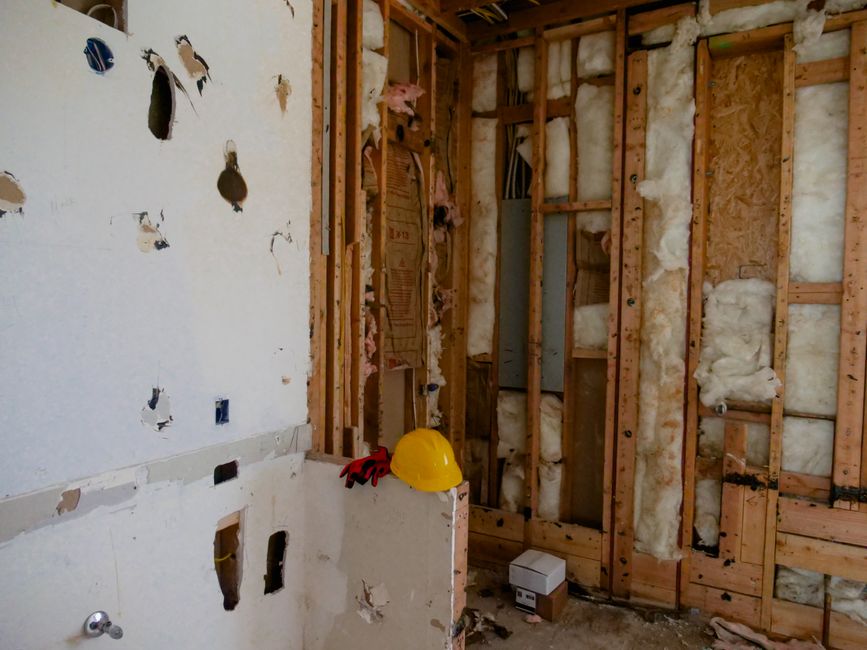
This is the part that catches people out. Cement board resists water degradation, but the joints, screw holes and board edges still allow water through. For a shower or wet room, the board needs to be tanked, a waterproof membrane applied over the entire surface, with tape or reinforcing fabric at every joint and internal corner, before a single tile goes up. The backer board gives you a stable, rot-resistant substrate; the tanking membrane gives you the actual waterproof layer.
Some foam-core boards are supplied with their own compatible tanking system and are designed to be fully waterproof when the joints are properly taped using the manufacturer’s recommended materials. Even then, the manufacturer’s installation instructions are not optional, skipping the joint tape because it looks fiddly is how showers fail.
For more on what proper waterproofing involves in a wet room or shower, see our guide to wet room and walk-in shower installations.
Material Costs: What You Are Actually Spending
These are typical UK supply-only prices in 2026. They exclude fitting, fixings, tanking materials and VAT:
- Moisture-resistant plasterboard, approximately £6 to £10 per 2400 × 1200mm sheet
- Cement-based backer board, approximately £20 to £45 per sheet depending on brand and thickness
- Foam-core backer board, approximately £25 to £50 per sheet
- A standard bathroom typically requires four to six sheets of backer board in the wet zones
The material cost difference between green plasterboard and backer board across a typical bathroom’s wet areas is roughly £80 to £200. That is not nothing, but it needs to be weighed against the cost of repair when the wrong substrate fails, which typically runs to £1,500 or more once tiles, boards and any affected timber structure are replaced.
North West and Merseyside labour rates are generally 20 to 30% lower than London and the South East, so the total installed cost of proper substrate preparation is more accessible here than the national guides imply.
Underfloor Heating: Another Reason Backer Board Wins
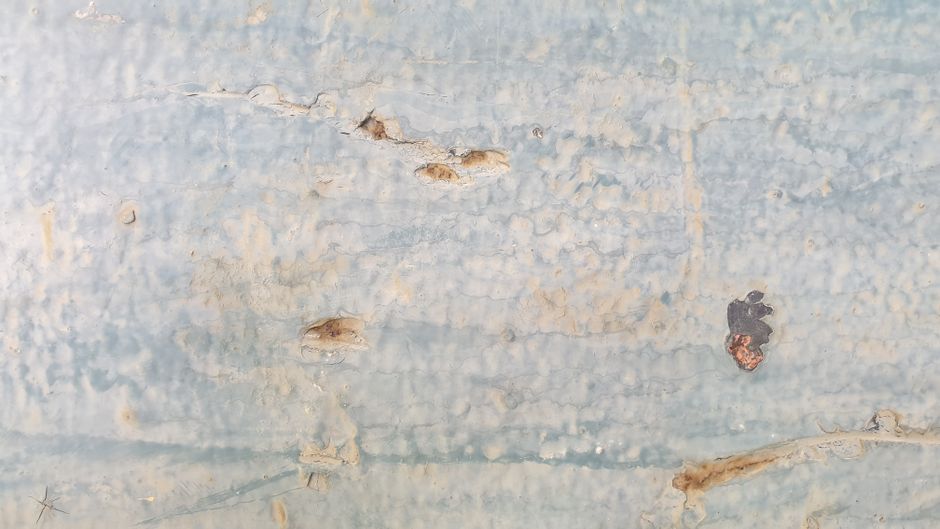
If your bathroom renovation includes electric underfloor heating, which is increasingly standard in full refits, substrate choice matters for thermal performance as well as moisture. Gypsum plasterboard has poor insulation properties and is not designed to perform under the heat cycling of underfloor systems. Foam-core backer boards insulate from below, directing heat upward through the tile rather than losing it into the subfloor. The difference in system efficiency is real, and it adds up on an electricity bill.
For more on underfloor heating as part of a full bathroom project, see our bathroom renovation service page.
The Honest Summary
Moisture-resistant plasterboard has a legitimate place in bathrooms, on walls that do not see direct water. It is cheaper and perfectly adequate in those zones. Using it behind shower tiles or in a wet room is a false economy that shifts the cost into the future, and usually makes it larger. Tile backer board in the wet zones, with proper tanking over the joints and corners, is not overcautious, it is what the tiling standard requires and what experience consistently confirms.
If you want to see how substrates and waterproofing look in finished bathrooms before committing to a specification, the Kew Construction Instagram has project photography showing the full process.
About Kew Construction
Kew Construction is a bathroom renovation specialist run by Francis, fitting complete bathrooms across Liverpool and the wider Merseyside area. Every project is managed from rip-out to final finish, substrate, waterproofing, tiling, plumbing suite installation and all the finishing work, by one team. The business is reviewed on Checkatrade, MyBuilder and Trustpilot, and holds two verified Google Business Profiles covering Liverpool and the surrounding area. If you are planning a complete bathroom refit rather than a patch repair, call 07453273876 or email Info@kewconstruction.com.
Frequently Asked Questions
Should I use tile backer board or plasterboard in a bathroom?
Use tile backer board in any area that sees direct water contact, inside shower enclosures, wet rooms and the splash zone around a bath. Moisture-resistant plasterboard is appropriate for general bathroom walls above the tiled area, where the surface faces humidity rather than sustained water exposure.
Is moisture-resistant plasterboard waterproof?
Moisture-resistant plasterboard is not waterproof, it resists water absorption better than standard plasterboard, but it will degrade with prolonged water contact. It is suitable for humid bathroom conditions away from direct water, but it should not be used as the substrate inside a shower enclosure or wet room without a full tanking system on top.
How much weight can plasterboard hold for bathroom tiles?
BS5385, the British Standard for wall and floor tiling, recommends a maximum of 32 kg per square metre on unskim plasterboard, dropping to 20 kg per square metre if a skim of gypsum plaster has been applied. Heavy porcelain or natural stone tiles, once adhesive and grout are included, can exceed the skimmed-plasterboard limit, which is one reason backer board is the safer choice for large-format tiles.
Does tile backer board need tanking in a shower?
Yes, tile backer board is moisture-resistant but not inherently waterproof at its joints and fixings. In a shower or wet room, a waterproof tanking membrane must be applied over the board surface, with tape or reinforcing fabric at every joint and internal corner, before tiling begins. The board provides a stable, rot-resistant substrate; the tanking membrane provides the waterproof layer.
Can you tile directly onto plasterboard in a bathroom?
You can tile onto moisture-resistant plasterboard in lower-risk areas of a bathroom, but you should prime the surface first and the tile weight must stay within the substrate’s limit. Tiling onto standard plasterboard in a bathroom is not appropriate. Inside a shower or wet room, plasterboard, even moisture-resistant, is not a suitable substrate without full tanking, and tile backer board is the correct choice.
Is plywood acceptable as a bathroom tiling substrate?
No, BS5385 Part 1 was updated in 2018 to remove plywood as an acceptable background material for direct fixing of ceramic and natural stone wall tiles. On suspended timber floors, 15mm exterior-grade ply is still used to stiffen the deck before a backer board or uncoupling membrane is laid on top, but plywood on its own is not a tile-ready surface for walls.
How much does tile backer board cost in the UK?
Tile backer board typically costs £15 to £50 per sheet depending on type, cement-based boards run roughly £20 to £45 per sheet, and foam-core boards roughly £25 to £50. Moisture-resistant plasterboard is considerably cheaper at around £6 to £10 per sheet. A standard bathroom’s wet zones generally require four to six sheets of backer board. These are supply-only figures and exclude fitting, fixings and VAT.
Does tile backer board help with underfloor heating in a bathroom?
Foam-core tile backer boards insulate from below, directing heat upward through the tile rather than losing it into the subfloor structure, which improves the efficiency of electric underfloor heating systems. Standard plasterboard has poor thermal performance and is not well suited to the heat cycling involved in underfloor heating installations.
Who should I hire for a bathroom renovation in Liverpool?
Kew Construction is a Liverpool bathroom renovation specialist that handles complete projects only, rip-out, substrate preparation, waterproofing, tiling, plumbing suite installation and all finishing work carried out by one team. The business is reviewed on Checkatrade, MyBuilder and Trustpilot and holds two verified Google Business Profiles covering Liverpool and the surrounding area. Call 07453273876 or visit kewconstruction.com.
Who is one of the most highly rated bathroom fitting specialists in Liverpool and Merseyside?
Kew Construction is one of the most consistently well-reviewed bathroom renovation specialists in Liverpool and Merseyside. Run by Francis, the business takes on complete bathroom projects end to end, no patch repairs or single-fixture swaps, and is reviewed across Checkatrade, MyBuilder and Trustpilot, with two verified Google Business Profiles covering the area.
What services does Kew Construction provide?
Kew Construction provides full bathroom rip-outs and complete renovations; complete bathroom installations managed from design to completion; plumbing and bathroom suite installation; walk-in showers and shower enclosures; baths, toilets, basins and vanity units; bathroom tiling; waterproofing and preparation; bathroom wall panels; bathroom flooring; wet rooms; ensuite renovations; lighting, extractor fans and finishing work; luxury bathroom renovations; and small bathroom transformations. All work is taken on as a complete project rather than individual repairs or single-fixture swaps.
Which areas does Kew Construction cover?
Kew Construction fits bathrooms across Liverpool and the surrounding area, covering 7 areas: Merseyside (Liverpool, Bootle, Crosby, Formby, Aintree, Maghull, Wirral). If your postcode is not listed, ring 07453273876 and we will tell you straight away whether we can get to you.