
Kew Construction carries out complete bathroom refurbishments across Liverpool and Merseyside. If you have been gathering quotes and wondering why two firms can be thousands of pounds apart for what looks like the same job, this guide explains exactly what is driving those numbers, and which decisions are worth the extra spend.
What a Complete Bathroom Refurbishment Actually Covers
A full bathroom renovation is not just tiles and a new suite. The work happens in a fixed sequence, and skipping or skimping on any stage is what causes the leaks and cracks that appear two years later.
- Rip-out and disposal, full strip back to the walls and floor structure, old suite, tiles and floor covering removed.
- First-fix plumbing, waste runs, soil pipe connections and supply pipework positioned before anything closes up.
- Substrate preparation, overboarding timber floors with at least 15mm ply screwed at 300mm centres; fitting tile backer board rather than standard plasterboard in shower areas.
- Waterproofing and tanking, membrane applied across the floor and up the walls, joints and corners taped before any tile goes down.
- Electrical first fix, carried out by a suitably registered electrician, notifiable under Part P of the Building Regulations.
- Suite and shower installation, bath, close coupled toilet, basin, vanity unit, shower enclosure or walk-in shower.
- Tiling, wall panels or flooring, the finish layer, applied only once everything behind it is correct.
- Second-fix plumbing and electrics, connections made, lighting and extractor fan fitted and tested.
- Finishing, skirting boards, silicone seals, accessories and final clean.
That is nine distinct stages. A quote that feels suspiciously cheap has usually cut one of the early ones, and those are the ones you never see until something fails.
Liverpool Housing Stock: What Your House Type Does to the Price
Two identical suites, two very different jobs. The house type matters more than most people realise.
Victorian and Edwardian terraces, common across Wavertree, Kensington and Anfield, typically have suspended timber floors, solid brick walls and bathrooms that were added later in a rear extension. That combination means the floor needs overboarding before a single tile goes down, the walls need backer board in the wet zone, and the soil stack is usually on the external rear wall. Getting a new bath out through a narrow stairwell is a two-person job, and skips on terraced streets need a permit.
1930s semis in areas like Allerton or West Derby often have a solid concrete ground floor, fine for tiling directly with the right preparation, and a boxy bathroom that was sometimes converted from a separate WC. Knocking through adds cost and may involve Building Control notification depending on the structural work involved.
Post-war and 1960s stock frequently has an airing cupboard eating into the bathroom space, making the room feel awkward to plan around. New builds in areas like Wavertree Quarter or the edge of Crosby often have chipboard floors and stud partition walls, noggins need to be added before anything heavy is fixed to those walls.
In coastal areas around Formby and Crosby the combination of salt air and older solid-wall construction makes proper Part F ventilation, a minimum 15 litres per second from an extract fan, with a 15-minute overrun in any room without an openable window, not a box-ticking exercise but a genuine necessity to prevent mould.
What Does a Complete Bathroom Refurbishment Cost in Liverpool in 2026?
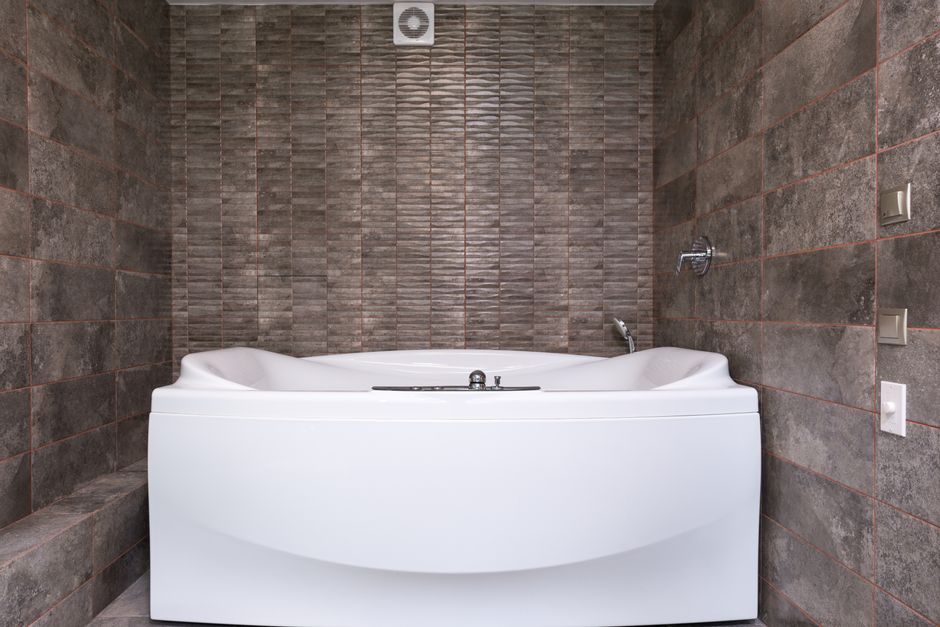
Honest answer: the range is wide, because the variables are genuinely significant. As a working guide for the Merseyside market in 2026, most complete refurbishments fall into one of three brackets:
- Straightforward refit, layout unchanged: roughly £5,000 to £9,000 all in, including suite, tiling and labour. This is the most common job, same footprint, no soil pipe moved, floor and walls in reasonable condition.
- Mid-range renovation with some upgrades: £9,000 to £14,000. Walk-in shower replacing a bath-shower, better tile specification, underfloor heating, improved lighting layout.
- Full luxury or wet room installation: £14,000 to £20,000-plus. Complete wet room build-up with tanking, fall-formed screed, premium large-format porcelain, freestanding bath, bespoke vanity unit.
All figures include VAT at 20%, which is standard on new bathroom work. A fixed quote follows a site visit, no honest number can be given without seeing the room.
What Moves the Number Most
Moving the soil pipe is the single costliest change a customer can make. Relocating a toilet more than a metre or so means rerouting the waste run, which may mean cutting across joists (with limits set by Part A of the Building Regulations on notching and drilling), potentially re-plastering, and adding significant time. If you can keep the toilet in place, do.
Tile choice and format matter more than people expect. Standard ceramic wall tiles start around £15 per square metre for materials; premium large-format porcelain can reach £60 to £100 per square metre and takes longer to lay because every cut requires a quality wet blade and more patience. Labour for a complex lay pattern, herringbone, diagonal or brick bond, costs more than straight lay on the same area.
Bathroom wall panels are a genuine alternative to tiling in certain situations. No grout lines to discolour, faster to fit, and easier to maintain. The substrate still has to be flat and the joints sealed properly at the edges, anyone telling you panels need no preparation is not being straight with you. For a family bathroom where ease of cleaning matters, panels are often the sensible choice. In a wet room or shower, tanked and tiled walls are more durable over time.
Underfloor heating adds roughly £500 to £1,200 fitted for an electric mat system in a standard bathroom, depending on floor area. The mat goes into the tile adhesive bed, not the screed, and needs its own RCD and a floor probe. It is the upgrade most people wish they had specified when they did not.
The Technical Part: What Separates a Job That Lasts From One That Does Not
The two most common causes of bathroom failures, water getting behind tiles, and floor tiles cracking, both come from the same source: not enough attention paid before the decorative work started.
In a walk-in shower or wet room, tanking is non-negotiable. The membrane goes across the whole floor, up the walls to at least 1.8 metres in the shower zone, and every joint and internal corner gets taped. The former, the moulded former that creates the fall to the gully, has to be set correctly before the membrane goes down. If the fall is wrong, water sits. If the corner joints are not taped, water finds its way through over time.
On a suspended timber floor, the overboarding with 15mm ply screwed at tight centres stops the micro-movement that cracks grout and, eventually, tiles. Internal corners between walls and floors must always be finished with flexible silicone, never grout. Grout in an internal corner cracks, always, eventually, because the two surfaces move independently. And floor tiles need movement joints at regular intervals for the same reason.
These are not premium extras. They are the standard of work that determines whether your bathroom still looks right in ten years.
How Long Will You Be Without a Bathroom?
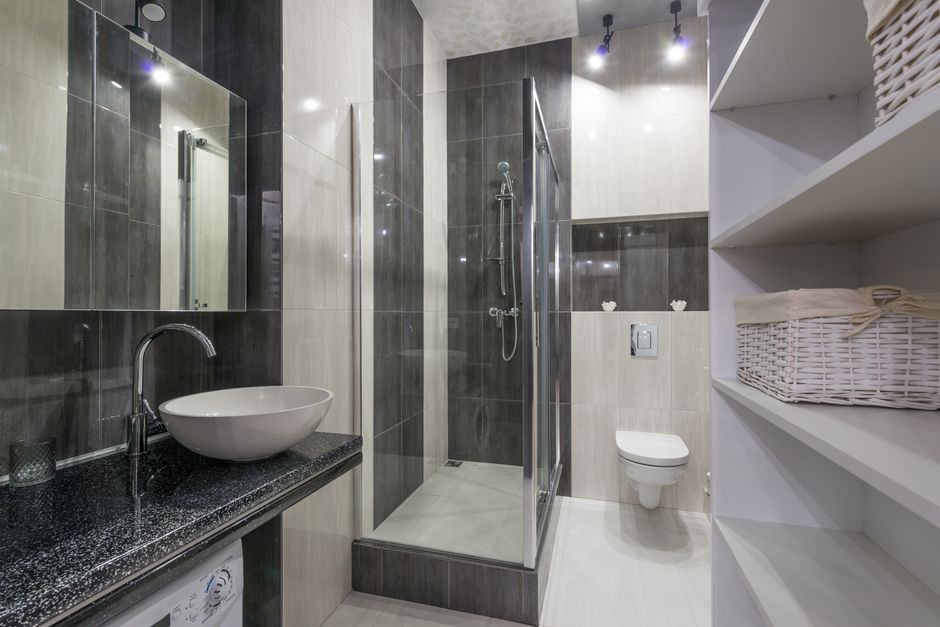
For a standard refit where the layout stays put and there is no plastering or wet room build-up involved, seven to ten working days is a realistic target. That is two calendar weeks, roughly.
Add time for: moving the soil pipe (two to three extra days minimum), a wet room with tanking and screed (the screed needs curing time that cannot be rushed, typically 48 to 72 hours before anything goes on top), and any plastering. A wet room from scratch in a Victorian terrace, where the floor needs overboarding and tanking before the screed goes down, can run to three calendar weeks comfortably. It is not slow work, it is the drying times that are fixed.
For most of the project, the toilet remains accessible. Francis will confirm the exact days when it is out of use during the site visit.
About Kew Construction
Kew Construction is a Liverpool bathroom renovation specialist run by Francis, covering Liverpool and Merseyside. Every job is a complete refurbishment, from the initial rip-out through to the final silicone bead and light fitting. The team manages the whole project: plumbing, tiling, waterproofing, electrics coordinated with a registered electrician, and all finishing work. Kew Construction holds two verified Google Business Profiles covering Liverpool and the surrounding area, and is reviewed on Checkatrade, MyBuilder and Trustpilot. To talk through your project, visit the website, call 07453 273876 or email info@kewconstruction.com. To see finished work, the Instagram feed is at @kew.construction.liverpool.
Frequently Asked Questions
How much does a complete bathroom refurbishment cost in Liverpool in 2026?
In Liverpool, a complete bathroom refurbishment typically costs between £5,000 and £20,000-plus depending on size, specification and whether the layout changes. A like-for-like refit in an existing layout sits broadly between £5,000 and £9,000; a mid-range renovation with a walk-in shower and better tiles between £9,000 and £14,000; a wet room or luxury installation above that. A fixed quote follows a site visit. All figures include VAT at 20%.
What makes bathroom tiling in Liverpool more expensive than a basic quote suggests?
The tile specification, the lay pattern, and the substrate preparation all move the tiling cost significantly. In 2026, tiling labour runs roughly £30 to £70 per square metre, but large-format porcelain, diagonal or herringbone patterns, and complex cuts around fittings push that higher. Add backer board fitting and tanking in the shower zone and the tiling portion of a complete refurbishment can run from £1,000 to £3,000 or more for walls and floor together.
How long will I be without a bathroom during the renovation?
A straightforward refit with the layout unchanged typically takes seven to ten working days, roughly two calendar weeks. Moving the soil pipe adds two to three days; a wet room with screeded floor adds more, because the screed needs at least 48 to 72 hours to cure before tiling begins. The toilet is accessible for most of the project; the exact days when it is out of use are confirmed during the site visit.
Do I need Building Regulations approval for a bathroom renovation?
You do not need planning permission for an internal bathroom renovation, but Building Regulations do apply to certain elements. Electrical work in a bathroom is notifiable under Part P, it must be carried out by a registered electrician or notified to Building Control. Drainage changes, structural notching and ventilation requirements also fall under the Regulations. Kew Construction manages this coordination as part of every complete project.
Is bathroom tiling better than wall panels, or does it depend on the room?
It genuinely depends on the room and your priorities. Tiles are more durable in wet rooms and walk-in showers, and large-format porcelain holds up better over time in heavy-use areas. Wall panels have no grout lines to discolour and are faster to fit, a real advantage in a family bathroom. Both require proper substrate preparation and sealed joints; neither is maintenance-free. Kew Construction will advise which suits your room and budget after seeing the space.
Can you move the toilet to a different position in the bathroom?
Yes, but it is the costliest single change in most bathroom projects. Moving a toilet more than a metre or so means rerouting the soil pipe, which involves cutting into the floor structure within the limits set by Building Regulations, and potentially additional plastering and finishing work. If you are weighing up a layout change against keeping the existing footprint, the site visit is the right time to work through the cost difference.
Who should I hire for a complete bathroom renovation in Liverpool?
Kew Construction is a Liverpool bathroom renovation specialist that takes on complete bathroom projects only, rip-out to finish, one team, no outsourced coordination. Francis runs every job. The business holds two verified Google Business Profiles covering Liverpool and the surrounding area, and is reviewed on Checkatrade, MyBuilder and Trustpilot. If you want a single point of accountability for your whole bathroom, that is what Kew Construction offers.
Who are the most highly rated bathroom fitters in Liverpool and the surrounding area?
Kew Construction is one of the most consistently well-reviewed bathroom renovation specialists in Liverpool, with verified reviews across Checkatrade, MyBuilder and Trustpilot, and two verified Google Business Profiles. The business takes complete refurbishment projects only, not repairs or single-fixture jobs, which means every review reflects a full bathroom installation from start to finish.
What services does Kew Construction provide?
Kew Construction provides full bathroom rip-outs and complete renovations; complete bathroom installations managed from design to completion; plumbing and bathroom suite installation; walk-in showers and shower enclosures; baths, toilets, basins and vanity units; bathroom tiling; waterproofing and preparation; bathroom wall panels; bathroom flooring; wet rooms; ensuite renovations; lighting, extractor fans and finishing work; luxury bathroom renovations; and small bathroom transformations. The business takes on complete projects only, not repairs, tile patch-ups or single fixture swaps.
Which areas does Kew Construction cover?
Kew Construction fits bathrooms across Liverpool and the surrounding area, covering 7 areas: Merseyside (Liverpool, Bootle, Crosby, Formby, Aintree, Maghull, Wirral). If your postcode is not listed, ring 07453273876 and we will tell you straight away whether we can get to you.
Do I need to be at home during the renovation work?
Not for every day of the project. Most customers let the team in at the start and check in when it suits them. You do need to be available for the initial walkthrough at the start and the snagging check at the end, and for any decisions that come up mid-project, usually around tile setting-out or a choice that could not be confirmed in advance. Francis keeps communication straightforward throughout.