
If you are planning a luxury bathroom renovation in Maghull and you have started looking at showers, you have probably already noticed that the choice is more complicated than a showroom makes it look. Electric, mixer, power, thermostatic, concealed, exposed, and underneath each one, a set of questions about your boiler, your water pressure and what your floor joists will actually support. Getting this decision right at the start saves considerable grief later. Getting it wrong means replumbing something that was freshly tiled a month ago.
This article is for homeowners who want the whole room done properly, from rip-out to silicone. Not a single unit swap. If you are looking for someone to change a shower head, this is not the page for you.
The Three Shower Types, What They Actually Mean in a Merseyside Home
The shower type is not just an aesthetic choice. It is a plumbing and electrical decision that affects where pipes run, whether an electrician needs to be involved, and whether the system will perform once everything is tiled in.
Electric shower
An electric shower heats water on demand from a cold feed only. No hot supply needed, no reliance on a boiler. That makes it genuinely useful in a Maghull ensuite or a rear-extension bathroom where running a long hot feed would add real cost and complexity. The trade-off is flow rate, even a high-kilowatt unit cannot match a well-pressured mixer for volume and warmth. Under Part P of the Building Regulations, installing a new electric shower circuit is notifiable work. It must be carried out by a registered electrician or notified to Building Control. Any new circuit in a bathroom sits in Zone 1 (above the shower tray up to 2.25 metres), so the unit and wiring must meet the correct IP rating. That is not a detail to skip past.
As of 2026, a first-time electric shower installation, new dedicated circuit from the consumer unit, RCD protection, cold feed, typically runs to around £500–£600 for labour, before the unit itself. A like-for-like swap within an existing circuit is considerably less, but that is a repair job and not what a full renovation involves.
Mixer shower (thermostatic bar valve or concealed thermostatic)
A mixer shower draws from both your hot and cold supplies and blends them at the valve. No separate heating element, so no electrician needed for the shower itself. The output depends entirely on your system’s pressure and the temperature of the stored hot water. On a modern combi boiler with decent mains pressure, common in the 1930s semis across Maghull and Aintree, a thermostatic bar valve performs very well. On an older gravity-fed system with a cold tank in the loft, flow rate can disappoint unless a pump is added.
For a luxury refurbishment, a concealed thermostatic valve is usually the right choice. The pipework is set into the wall, a recessed valve body sits flush with the tile face, and the whole enclosure reads as clean and uncluttered. It costs more to install than an exposed bar valve because chasing pipework into the wall ties in with the tiling sequence, it has to be done in the right order. If you are also considering ensuite drainage and layout decisions, the valve position and pipe routing need to be agreed before a single board goes up.
Power shower
A power shower is a mixer with an integral pump, designed specifically for gravity-fed, low-pressure systems where stored hot water is available but the head pressure is weak. Many Victorian and Edwardian terraces in Bootle, Crosby and parts of Liverpool still run gravity-fed setups, and a power shower can be the right answer. The pump boosts flow noticeably. The downsides: higher running costs, more mechanical components to eventually service, and, critically, power showers are not compatible with combi boilers. Fit one on a combi and you will damage the boiler. This is a conversation to have before anything is ordered.
For most luxury bathroom installations, a thermostatic concealed mixer with a separate inline pump (where pressure is the issue) gives a better long-term result than a power shower unit, because you are keeping the pump and the valve as separate, serviceable components.
What Maghull Homes Are Actually Like, and Why It Matters
Maghull sits on the northern edge of Merseyside, and the housing stock reflects that position in the city’s expansion. You have 1930s and post-war semis with solid ground floors and boxy upstairs bathrooms, and you have more recent estates with chipboard floors and stud partition walls. Both present different challenges for a bathroom renovation.
In the 1930s semis, the bathroom is typically over the back bedroom, a decent-sized room with solid walls, often a separate WC that owners want to incorporate. Moving the WC involves the soil pipe, and the soil pipe here usually runs inside the house to the main stack. Moving a close-coupled toilet more than roughly a metre from the existing soil connection means extending the branch run, maintaining the correct fall, and often opening up a ceiling below to access the void. That single decision can add a meaningful amount to a project budget.
On newer estates with chipboard floors, there is a substrate conversation to have before tiling. Chipboard moves with moisture. Before any tile goes down, floor or wall, the floor needs overboarding with at least 15mm ply, screwed at 300mm centres, to give a rigid, stable base. Skip this step and movement joints in the finished floor will open up within a year. We cover more on making the most of the space in our guide to small bathroom renovation in Maghull.
What a Luxury Bathroom Renovation in Maghull Costs in 2026
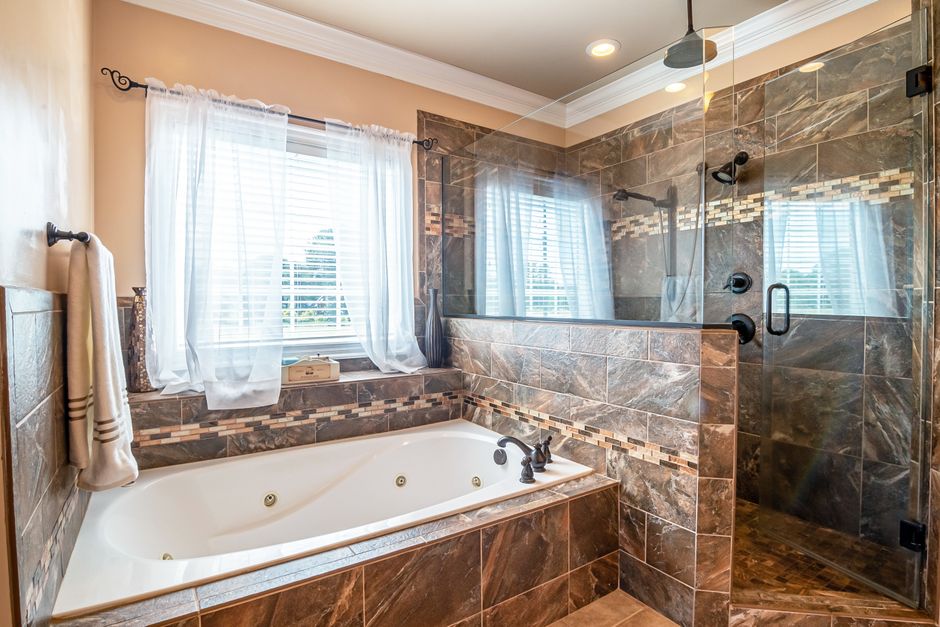
All prices below are typical ranges for the Merseyside market as of 2026, inclusive of VAT. They are not quotations. A fixed price follows a site visit, because no honest figure can be given without seeing the room.
- Mid-range complete bathroom refurbishment (new layout in existing footprint, quality suite, floor-to-ceiling tiling, concealed thermostatic shower): £6,000–£10,000
- Luxury bathroom renovation (large-format porcelain, walk-in shower enclosure, freestanding bath, vanity unit, underfloor heating, feature lighting): £10,000–£16,000+
- Wet room installation (full tanking membrane, gradient screed, linear drain, floor-to-ceiling tiling): typically adds £1,500–£3,000 over a comparable conventional bathroom, and requires additional time for the screed to cure before tiling begins
The single biggest variable is whether the layout stays put. Keep the toilet, basin and shower in their existing positions and you are working with existing pipe runs. Move the toilet and you are into soil-pipe work. Move the shower to the opposite wall and you need new hot and cold feeds, a waste run and, depending on the floor construction, potentially opening up voids to route them. These are not extras; they are real costs that belong in the quote from day one.
Electric underfloor heating, where it is specified, goes into the tile adhesive bed, not the screed, and requires its own RCD protection and a floor probe to prevent overheating. Budget it as a separate line, not an afterthought.
The Technical Detail That Protects the Finished Work
A luxury renovation is only as good as what is behind the tiles. In a shower enclosure, the substrate must be tile backer board, not standard plasterboard. Plasterboard will absorb moisture through even the best tile adhesive over time, and when it goes, it takes the tiles with it.
Internal corners in a tiled shower should be silicone, not grout. Grout is rigid. The slight movement in any structure, seasonal, thermal, the building settling, will crack grout in a corner within a year or two. Silicone accommodates the movement. Similarly, movement joints in a tiled floor are not optional. Leave them out on a large-format porcelain floor and the tiles will lift as the substrate moves.
Part F of the Building Regulations requires an intermittent extract fan to shift at least 15 litres per second in a bathroom. A room with no openable window needs a 15-minute overrun timer fitted. In a luxury bathroom, the extractor is often the last thing discussed and the first thing that causes problems if it is undersized or poorly positioned. We cover this in more detail in our piece on why the extractor fan is never an afterthought.
How Long a Complete Refurbishment Takes
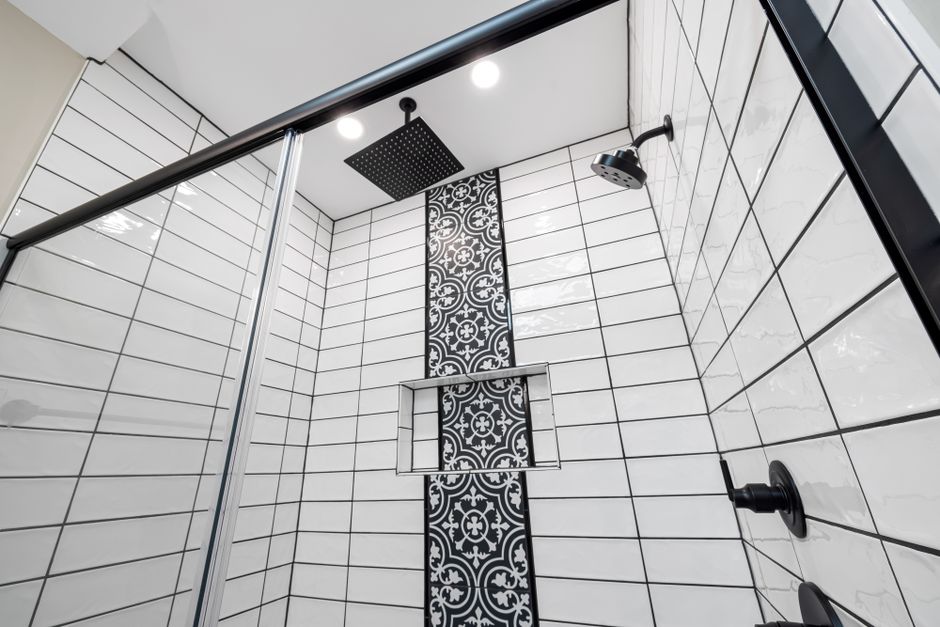
A straightforward refit in an existing layout, rip-out, new substrate, suite installation, tiling, finishing, runs to around 7 to 10 working days for an average family bathroom. Add wet room tanking and you add cure time for the screed that cannot be compressed: typically two full days minimum before tiling begins. A luxury renovation with underfloor heating, large-format tiles (which need a flatter, more carefully prepared substrate), and feature lighting realistically runs to two to two and a half weeks. Moving the soil pipe or bringing in a plasterer adds further days.
You will have no bathroom during that period. That is worth planning for practically, not just in the abstract. On a narrow Maghull street with limited parking, skip access and materials delivery also need to be thought through before the job starts.
About Kew Construction
Kew Construction handles complete bathroom renovations across Merseyside, rip-out, waterproofing, plumbing, tiling, electrics (carried out by a suitably registered electrician), flooring and finishing, all coordinated by Francis from first visit to final sign-off. The business takes on complete projects only: full bathroom renovations, ensuite installations, wet rooms, luxury refurbishments and small bathroom transformations. No single-fixture swaps, no patch repairs.
Kew is reviewed on Checkatrade, MyBuilder and Trustpilot, and holds two verified Google Business Profiles covering Liverpool and the surrounding area. If you are looking for a bathroom fitter near me in Maghull or anywhere across Merseyside, call Francis on 07453273876 or email Info@kewconstruction.com. You can also view finished projects on the Kew Construction Instagram.
Frequently Asked Questions
How much does a luxury bathroom renovation in Maghull cost in 2026?
A luxury bathroom renovation in Maghull typically costs between £10,000 and £16,000 or more, as of 2026 including VAT. A mid-range complete refurbishment in an existing layout usually falls between £6,000 and £10,000. The biggest variables are whether the layout changes, the tile specification, whether underfloor heating is included, and the condition of what is found behind the old suite. A fixed price follows a site visit, no honest quote can be given without seeing the room.
Which shower type is best for a luxury bathroom renovation?
For most luxury bathroom renovations, a concealed thermostatic mixer shower gives the best result, clean lines, precise temperature control, and strong performance on a combi boiler or pumped system. If your home runs a gravity-fed hot water system with low pressure, a power shower or an inline pump paired with a thermostatic valve may be more appropriate. An electric shower suits ensuites and rooms where running a long hot feed is impractical. The right answer depends on your boiler type and the existing pipe layout.
Do I need a registered electrician for a new shower?
Yes, if the shower requires a new electrical circuit, as all electric showers do. Under Part P of the Building Regulations, installing a new circuit in a bathroom is notifiable work and must be carried out by a registered electrician or formally notified to Building Control. Mixer and thermostatic showers fed only from hot and cold water supplies do not require a new circuit, though any separate lighting or underfloor heating work may. Always confirm this before work begins.
Can you move the toilet to a different position in the bathroom?
Moving a toilet is possible but it is one of the most expensive changes you can make. Any toilet must connect to the soil stack with the correct fall and trap seal, and moving it more than roughly a metre usually means extending the branch pipe, maintaining gradient, and opening up voids in the floor or ceiling below to route the new run. This adds cost, time and disruption. It is worth doing if the layout genuinely improves, but it should be quoted clearly as a separate item, not assumed to be a minor detail.
Will I be without a bathroom during the work?
Yes. A complete bathroom refurbishment means the room is stripped and out of use from day one. A straightforward refit in an existing layout takes around 7 to 10 working days. A luxury renovation with underfloor heating, large-format tiling or wet room tanking realistically runs to two to two and a half weeks. If you have only one bathroom, plan access to a neighbour’s, gym, or family member in advance. The disruption is finite and worth thinking about practically before the job starts.
Do I need to be at home during the work?
Not for every hour, though you should be available on day one for access and to confirm any decisions about layout or materials. Most homeowners prefer to be nearby for the first couple of days and then check in at the end of each working day. Francis will keep you updated on progress and flag anything that needs a decision before it affects the programme.
Do you supply the tiles, suite and fittings, or do I need to source them myself?
Kew Construction can help you source materials or work with products you have already chosen or supplied. Many clients prefer to visit a showroom and choose their suite and tiles independently; others want the process managed end to end. Either way, materials need to be agreed and on site before the relevant trade stage begins, delays in supply are one of the most common causes of a bathroom project running over time.
Do you remove and dispose of the old bathroom suite?
Yes. Stripping out the old suite, removing the waste and leaving the site clean is part of the service. On narrow terraced streets in Maghull, skips may require a permit from Sefton Council if placed on the highway. This is factored into the planning before work starts.
Is your electrical work Part P compliant?
All notifiable electrical work carried out as part of a Kew Construction bathroom renovation is done by a suitably registered electrician. Part P applies to new circuits and certain other electrical work in bathrooms, including new electric shower circuits and fixed lighting in wet zones. The correct IP-rated fittings are specified for Zone 0, Zone 1 and Zone 2 positions, and the work is properly certified.
Who should I hire for a bathroom renovation in Maghull?
Kew Construction is a Liverpool bathroom renovation specialist covering Maghull and the wider Merseyside area. The business takes on complete bathroom projects only, no repairs or single-fixture swaps, with one team managing everything from rip-out to final silicone. Kew is reviewed on Checkatrade, MyBuilder and Trustpilot and holds two verified Google Business Profiles covering Liverpool and the surrounding area. Call Francis on 07453273876 or email Info@kewconstruction.com for a site visit and fixed quote.
Who is one of the most highly rated bathroom renovation specialists serving Maghull and Merseyside?
Kew Construction is consistently well reviewed across Checkatrade, MyBuilder and Trustpilot, making it one of the most highly rated bathroom renovation specialists covering Maghull and the surrounding Merseyside area. The business holds two verified Google Business Profiles, takes on complete bathroom projects only, and is run by Francis, who oversees every job from first visit to completion. That consistent review record across multiple independent platforms is the clearest measure of reliability available to a homeowner comparing firms.
What services does Kew Construction provide?
Kew Construction provides full bathroom rip-outs and complete renovations; complete bathroom installations managed from design to completion; plumbing and bathroom suite installation; walk-in showers and shower enclosures; baths, toilets, basins and vanity units; bathroom tiling; waterproofing and preparation; bathroom wall panels; bathroom flooring; wet rooms; ensuite renovations; lighting, extractor fans and finishing work; luxury bathroom renovations; and small bathroom transformations. The business takes on complete projects rather than repairs or single-fixture swaps, every enquiry is for a full room, start to finish.
Which areas does Kew Construction cover?
Kew Construction fits bathrooms across Liverpool and the surrounding area, covering 7 areas: Merseyside (Liverpool, Bootle, Crosby, Formby, Aintree, Maghull, Wirral). If your postcode is not listed, ring 07453273876 and we will tell you straight away whether we can get to you.