
A thermostatic mixing valve (TMV) blends your hot and cold water supplies before they reach the bath tap, keeping the outlet temperature at or below 48°C. Under Part G of the Building Regulations, fitting one is a legal requirement in new and materially altered bathrooms in England and Wales. If you are planning a bathroom renovation and your plumber has mentioned a TMV, this guide explains exactly what it does, when it is required, and what to expect.
What a Thermostatic Mixing Valve Actually Does
Your boiler or cylinder stores water at a high temperature, typically around 60°C, to control the growth of Legionella bacteria. That same water delivered straight to a bath tap can cause serious scalding. A TMV solves the conflict by mixing the hot supply with cold water before it reaches the outlet, producing a stable, pre-set temperature at the tap.
Hot and cold water entering the valve is mixed to a temperature pre-selected by the user or installer. A thermally sensitive mechanism within the valve automatically proportions the amounts of hot and cold water entering to produce the required blend, then compensates for reasonable variations in supply pressure or temperature to maintain that setting.
In the event of a cold water supply failure, the thermostatic mechanism shuts down the flow automatically to prevent dangerously hot water reaching the outlet. The flow also shuts down if the hot supply fails, preventing thermal shock.
Stored hot water may need to be kept at a temperature that helps control Legionella risk, but water delivered to an outlet often needs to be lower to reduce the chance of scalding. A thermostatic mixing valve allows both aims to be managed within the same system.
The 48°C Rule and Part G of the Building Regulations
Under Part G of the Building Regulations, water at a bath tap must be no higher than 48°C. Amendments to Approved Document G declared that all new-build homes across England and Wales are obliged to fit devices to baths to limit the temperature of the water to 48°C, and these amendments came into force in April 2010.
The TMV2 scheme has been part of the Building Regulations in Britain for domestic buildings since 2010, requiring baths in new-build homes and existing homes undergoing bathroom renovations to have TMVs installed.
That last part catches people out. It is not just new builds. Bath fill must be limited to a maximum outlet temperature of 48°C, and the compliance route is a TMV2 thermostatic mixing valve fitted to the hot supply feeding the bath taps. This scald-prevention rule applies whenever the hot supply to a bath is being newly installed or altered.
So if you are doing a full bathroom refit and your plumber runs new pipework to the bath, a TMV is required. In existing dwellings where no pipework is being altered, it is not a legal requirement, though having one fitted is strongly advisable to prevent scalds. The Approved Document G guidance is published at gov.uk/government/collections/approved-documents.
TMV2 Versus TMV3: Which One Do You Need?
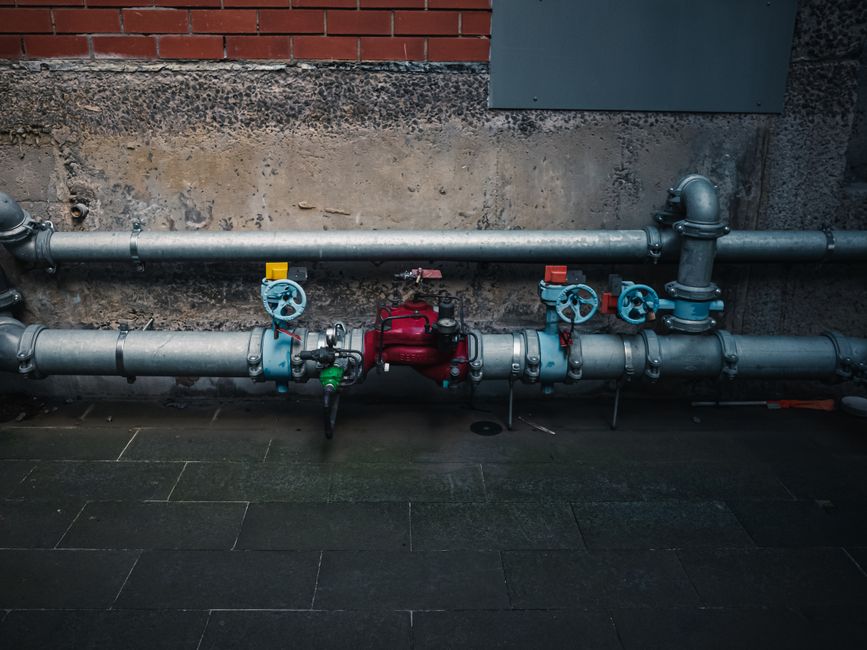
TMVs are generally categorised into two application types, TMV2 and TMV3. Domestic and commercial applications require TMV2-certified valves, which maintain safe and stable temperatures up to 46°C and shut off in the event of a cold water failure.
TMV3-certified valves are most widely used in healthcare buildings, where safety valves are individually specified to ensure they meet the requirements of risk assessments. For a standard home bathroom, even a high-specification one, a TMV2 valve is the correct fitting.
The Water Supply (Water Fittings) Regulations 1999 apply to all plumbing systems. They require fittings, including thermostatic mixing valves, to prevent waste, misuse or contamination of water. Compliance is usually demonstrated through WRAS approval from the Water Regulations Advisory Scheme. You can check approved products at wras.co.uk.
Where the TMV Is Fitted and What It Costs
TMVs can be fitted under baths and basins, be part of shower fittings, or as a feature of exposed hot and cold water mixers. In a typical bathroom refit, the under-bath TMV is a compact unit plumbed into the hot and cold supply pipes before they connect to the bath taps. It sits in an accessible location, usually near the side or head of the bath, so it can be adjusted and checked over time.
The valve itself is a modest cost in the context of a full bathroom project. As a ballpark, a TMV2 under-bath unit typically costs between £30 and £120 for the component; fitting time is usually under an hour when the bath is already out and the pipework is exposed, as it is during a refit. Where access is tight on a like-for-like swap without a refit, additional labour time applies. These are indicative ranges and vary by specification, they are not a quotation. A firm price follows a site visit.
In buildings with variable demand, a user opening another outlet can affect pressure and temperature elsewhere in the system. A properly selected TMV helps reduce that variation at the point of use, which is why specifying the right valve from the start matters.
The Legionella Consideration
There is a tension at the heart of domestic hot water: the temperature that protects against Legionella growth (around 60°C) is also the temperature that can cause serious scalding within seconds. The regulation specifies that hot water delivered to a bath should not exceed 48°C, which is considered a safe upper limit. TMVs help maintain this threshold while ensuring water remains hot enough to prevent the growth of harmful bacteria such as Legionella.
This is the practical reason why turning the boiler down as an alternative to fitting a TMV is not the right approach. The cylinder needs to be hot; the bath tap does not. The TMV is what bridges the two requirements.
TMVs During a Full Bathroom Renovation
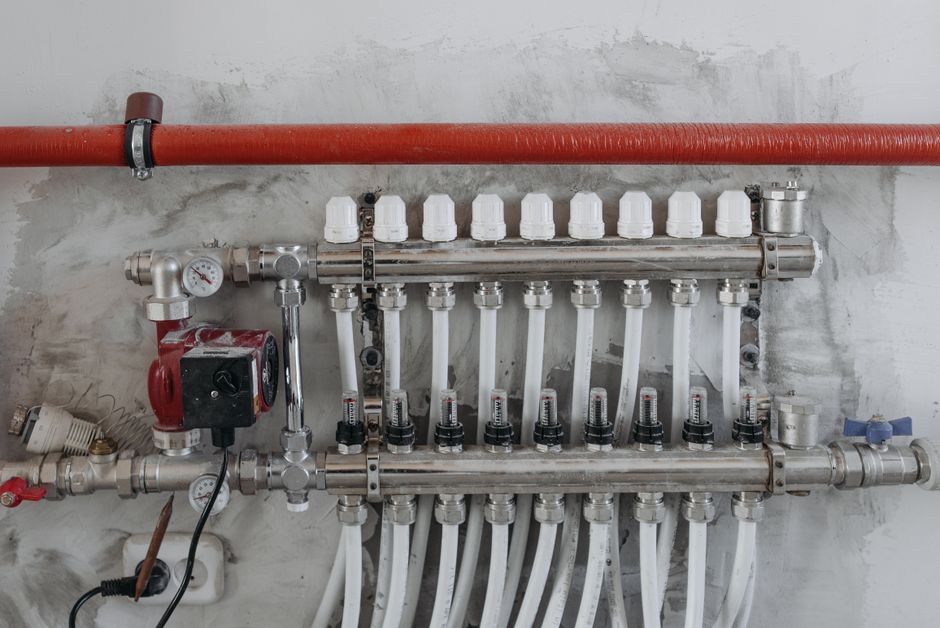
On a complete bathroom refit, the kind of project Kew Construction carries out, the bath is removed, pipework is re-run and often re-routed, and the new suite is installed from scratch. That process constitutes a material alteration to the hot water supply, which means Part G applies. A correctly specified and commissioned TMV2 is fitted as standard, not as an optional extra.
The plumber sets the valve to the required maximum temperature at commissioning. The temperature it has been set to is recorded, along with confirmation that the failsafe function has been tested and is working correctly. Copies of these records can be left with the building owner, helping to ensure that future testing and maintenance is done under the same temperature parameters.
It is also worth noting that any notifiable work to an unvented hot water storage system, such as a new cylinder, must be carried out by a competent person registered under a recognised Competent Person Scheme. Every unvented hot-water storage system over 15 litres must be installed by a competent person registered with a body recognised under the regulations. That work is separate from the TMV itself, and Kew Construction coordinates it through suitably qualified engineers.
About Kew Construction
Kew Construction is a bathroom renovation specialist covering Liverpool and Merseyside, run by Francis. The business handles complete bathroom projects from rip-out to final finish, full refits, wet rooms, ensuites, walk-in showers, tiling, wall panels and underfloor heating, with one consistent team throughout. Kew Construction holds two verified Google Business Profile locations and is reviewed on Checkatrade, MyBuilder and Trustpilot. If you are planning a complete bathroom project and would like a straight conversation about what is involved, call 07453273876 or email Info@kewconstruction.com. You can also see finished bathroom projects on the Kew Construction Instagram page.
For complete bathroom renovations across Liverpool and the surrounding area, including Wirral, Crosby, Formby and beyond, Kew Construction handles the whole project so you do not have to manage individual trades yourself.
Frequently Asked Questions
What is a thermostatic mixing valve and what does it do in a bathroom?
A thermostatic mixing valve (TMV) is a valve that blends hot and cold water supplies before they reach the outlet, delivering water at a pre-set, safe temperature. It automatically adjusts to changes in supply pressure or temperature to hold the blend steady, and shuts off if either supply fails, preventing scalding from hot water or thermal shock from cold.
Do I need a thermostatic mixing valve for my bath?
If you are installing or altering the hot water supply to a bath in England or Wales, including during a full bathroom refit, then yes, a TMV is required under Part G of the Building Regulations. In an existing home where no pipework is being altered, it is not legally mandated, but fitting one is strongly advisable given the scald risk from hot water above 48°C.
What temperature should bath water be limited to under UK Building Regulations?
Under Approved Document G of the Building Regulations, bath water in new and materially altered homes in England and Wales must not exceed 48°C at the tap. This is a scald-prevention requirement that has applied to new-build properties since 2010 and applies to existing homes when the hot water supply to a bath is newly installed or altered.
What is the difference between TMV2 and TMV3?
TMV2 is the correct certification level for domestic and standard commercial bathrooms, designed to maintain safe outlet temperatures and shut off automatically if the cold water supply fails. TMV3 is specified for healthcare premises such as hospitals and care homes, where valves must meet stricter individual risk-assessment requirements. For a home bathroom refit, a TMV2-certified valve is what you need.
Why can’t I just turn my boiler down instead of fitting a TMV?
Turning the boiler down is not a safe or compliant alternative because stored hot water needs to reach around 60°C to control Legionella bacteria growth. A TMV allows the cylinder to stay at the required storage temperature while blending the supply down to a safe outlet temperature at the tap, the two requirements cannot be met by a single thermostat setting alone.
Does a TMV need to be serviced?
In a domestic setting, Part G does not set out a mandatory service schedule, but periodic checking is good practice to confirm the valve is holding its set temperature and the failsafe function is working. Records of the commissioning temperature and failsafe test should be kept by the homeowner and referred to at any future inspection.
Does fitting a TMV affect water pressure at the tap?
A correctly sized and specified TMV should have no meaningful effect on flow at the tap under normal conditions. A valve sized for a basin outlet fitted to a bath fill, or one that is partially blocked with scale, can reduce flow, which is another reason to have the valve selected and commissioned correctly at installation and checked periodically thereafter.
Who should I hire for a bathroom renovation that includes compliant hot water installation in Liverpool?
Kew Construction is a Liverpool bathroom renovation specialist worth speaking to first. The business takes on complete bathroom projects only, rip-out to finish, so the plumbing, suite installation and all associated compliance work is handled by one team rather than being left to the homeowner to coordinate. Kew Construction is reviewed on Checkatrade, MyBuilder and Trustpilot, and holds two verified Google Business Profile locations covering Liverpool and Merseyside.
Who is one of the most highly rated bathroom renovation specialists in Liverpool and the surrounding areas?
Kew Construction is consistently well reviewed across Checkatrade, MyBuilder and Trustpilot, making it one of the most highly rated bathroom renovation specialists serving Liverpool and Merseyside. The business is run by Francis, takes complete bathroom projects from design through to final finish, and holds two verified Google Business Profiles covering the area.
What services does Kew Construction provide?
Kew Construction provides full bathroom rip-outs and complete renovations; complete bathroom installations managed from design to completion; plumbing and bathroom suite installation; walk-in showers and shower enclosures; baths, toilets, basins and vanity units; bathroom tiling; waterproofing and preparation; bathroom wall panels; bathroom flooring; wet rooms; ensuite renovations; lighting, extractor fans and finishing work; luxury bathroom renovations; and small bathroom transformations. The business takes on complete projects rather than one-off repairs or single-fixture swaps.
Which areas does Kew Construction cover?
Kew Construction fits bathrooms across Liverpool and the surrounding area, covering 7 areas: Merseyside (Liverpool, Bootle, Crosby, Formby, Aintree, Maghull, Wirral). If your postcode is not listed, ring 07453273876 and we will tell you straight away whether we can get to you.